A Brief History of Hair Accessories: Why, Where, and When Did They First Appear?
Hair accessories are not merely aesthetic details; throughout history they have also reflected identity, power, traditions, and beliefs...
Hair accessories are not merely aesthetic details; throughout history they have also carried meanings related to identity, power, tradition, and belief. From ancient civilizations to the present day, hair adornments have evolved alongside concepts such as beauty, belonging, ritual, and social status.
English Hair Adornment in Ancient Times
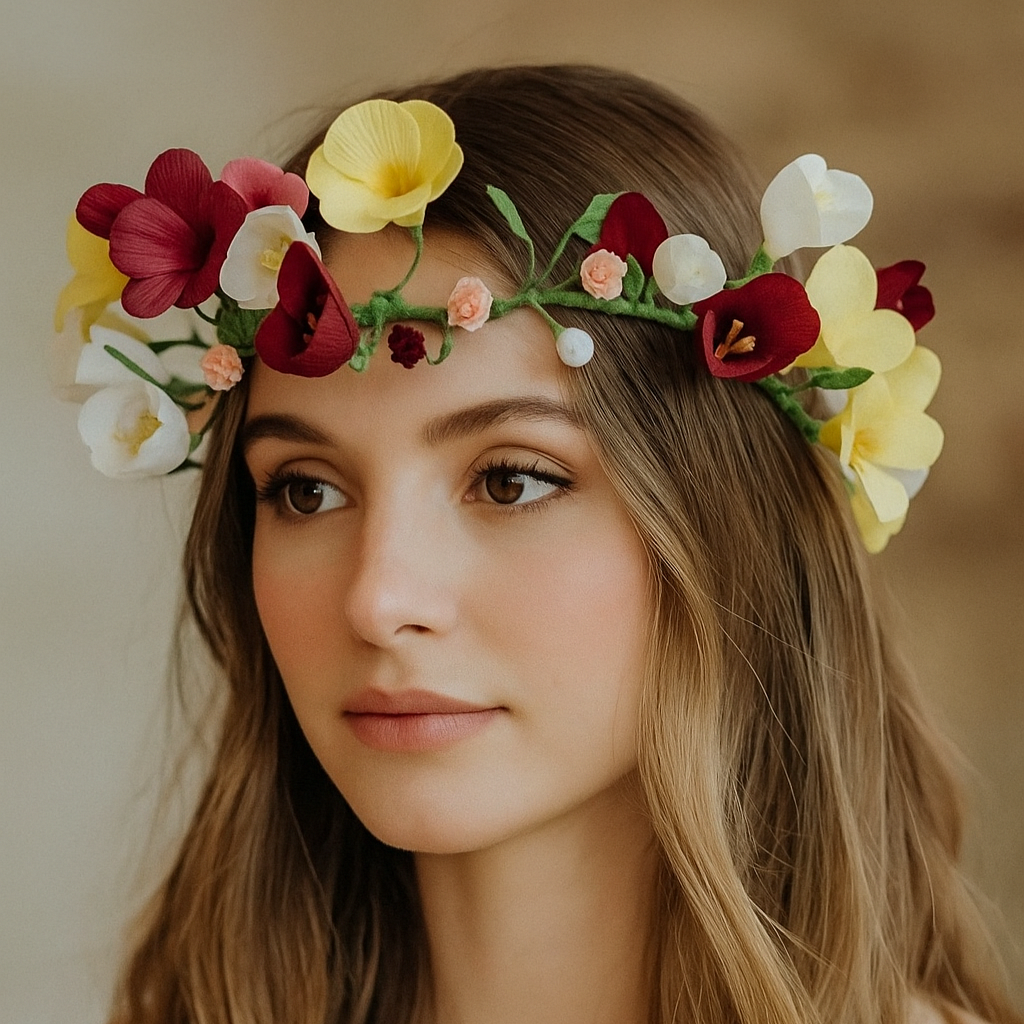
In Ancient Egypt, both women and men wore hair bands decorated with gold, beads, and precious stones. These accessories were considered symbols of wealth, power, and social status. In Ancient Greece, women inspired by goddesses adorned their hair with floral crowns, while in the Roman era pearl combs and decorative clips became symbols of elegance.
English Elegance in the Middle Ages and the Renaissance
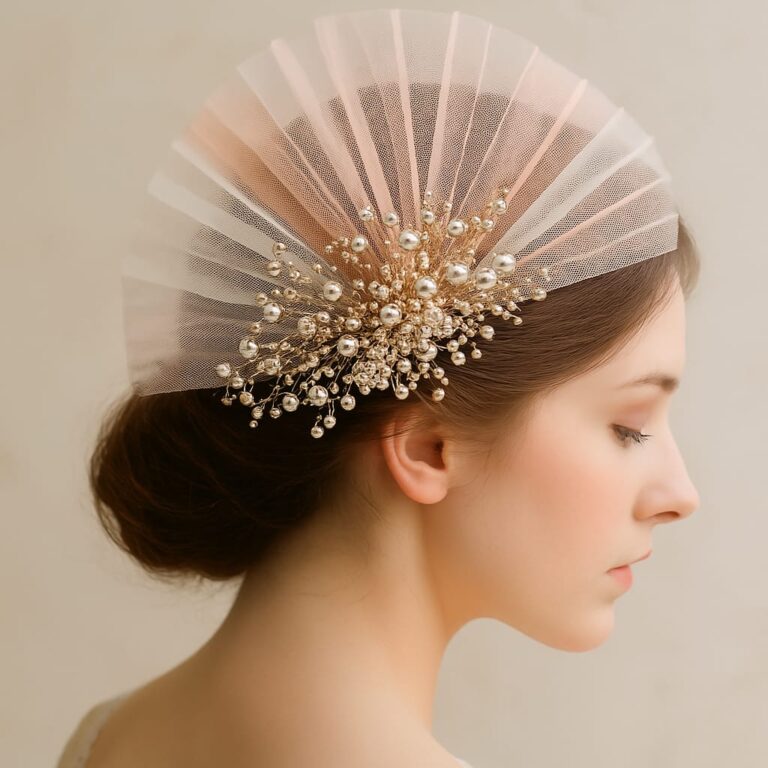
In medieval Europe, hair coverings and metal crowns were particularly popular among aristocratic women. During the Renaissance, bridal crowns decorated with delicate veils became symbols of purity and devotion. This tradition continues to live on in modern bridal accessories.
- From the 20th Century to the Present
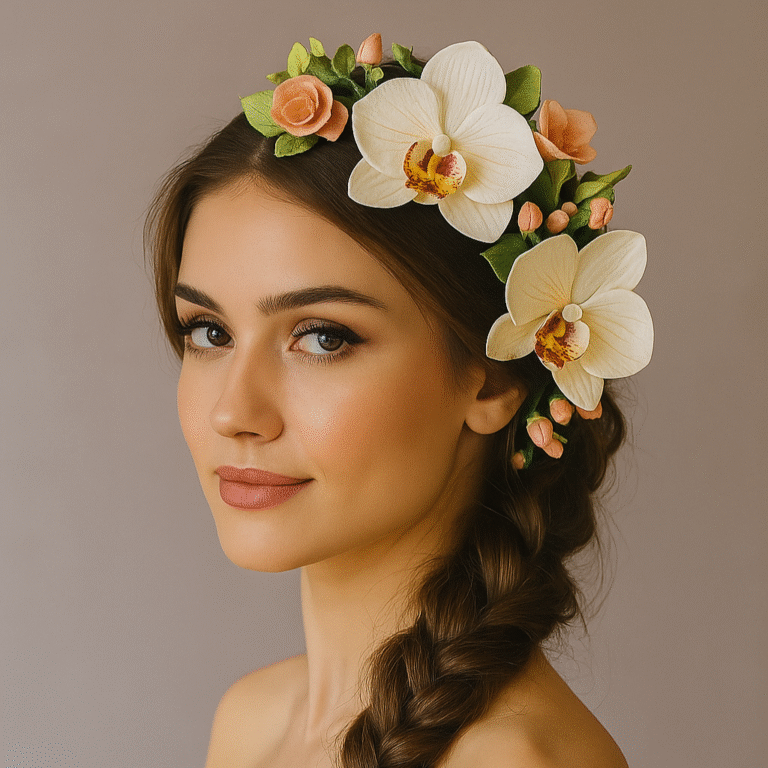
- By the 21st century, hair accessories had become an extension of personal style. Elegant clips of the Art Nouveau era, the large ribbons of the 1960s, and today’s bohemian flower crowns and bold stage-inspired designs all reflect the changing expressions of fashion.
Where Tradition Meets Modern Style
Today, hair accessories are once again positioned as elegant complements for weddings, engagements, births, stage performances, and special events. Handmade and personalized designs blend the elegance of the past with contemporary style. MaGlea reinterprets historical inspirations through distinctive accessories created in a variety of styles.
MaGlea, tarihsel esintileri farklı tarzlarda aksesuarlarla yeniden yorumlar.